Food Tax in Kentucky: Essential Info for Consumers and Businesses
Updated time: Nov 30, 2025, 18:11 (UTC-08:00)
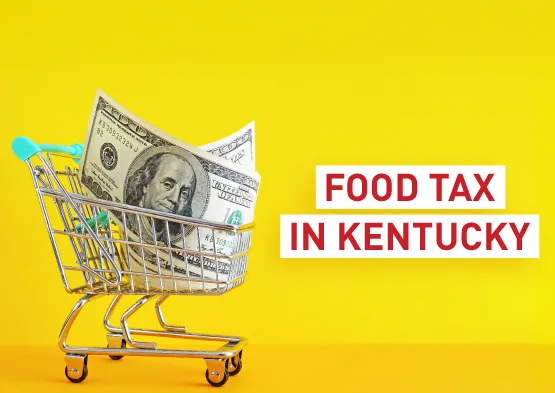
Taxation is one of the most important aspects of both personal finance and business operations. In the Bluegrass State, understanding the food tax in Kentucky is critical for everyday consumers, entrepreneurs, and corporations alike. While Kentucky maintains a relatively straightforward tax structure compared to some other U.S. states, there are key nuances surrounding how groceries, prepared foods, and restaurant purchases are taxed.
This comprehensive guide will explore the Kentucky food tax rate, clarify the rules on when Kentucky sales tax applies to food, and address the common question: Is there sales tax on food in Kentucky? By the end, you’ll understand not only the current rules but also the financial implications for individuals, families, and businesses in 2025.
Understanding the Basics of Food Tax in Kentucky
Sales tax laws in the U.S. vary significantly from state to state, and food items are one of the categories with the greatest discrepancies. While some states exempt groceries completely, others apply partial exemptions or tax all food at the standard rate.
In Kentucky, the food tax rate depends on whether the product qualifies as “grocery food” or “prepared food.” This distinction forms the foundation of the Kentucky sales tax food rules.
- Grocery food (non-prepared items): Generally exempt from sales tax.
- Prepared food (restaurant meals, takeout, catering, hot foods): Subject to the full Kentucky sales tax rate of 6%.
This means when you buy bread, milk, or vegetables from a grocery store, you won’t pay sales tax. However, order a sandwich at a deli or pizza for delivery, and the 6% tax applies.

Overviews of food tax in Kentucky you should know
Kentucky Food Tax Rate in 2025
As of 2025, the Kentucky food tax rate is configured in the following way:
- Statewide Sales Tax: 6% (applied to prepared foods, soft drinks, and dietary supplements).
- Local Add-Ons: Unlike some states, Kentucky does not impose additional local sales taxes, making the effective food tax rate consistent across the state.
This uniformity simplifies compliance for businesses and provides clarity for consumers. For comparison:
- Tennessee taxes groceries at a reduced state rate of 4%.
- Illinois applies 1% to groceries.
- Alabama taxes groceries at the full state rate, though reform debates continue.
Kentucky’s approach is considered moderate, it exempts staple groceries while taxing prepared and convenience foods at 6%.
Is There Sales Tax on Food in Kentucky?
The short answer: Yes, but only in certain cases.
When asking, “Is there sales tax on food in Kentucky?” here’s what you need to know:
- No tax on groceries and most unprepared foods.
- Yes, 6% tax on prepared meals, hot foods, takeout, and restaurant dining.
- Yes, 6% tax on soft drinks, alcoholic beverages, and dietary supplements.
This policy aims to balance affordability for essential groceries while maintaining tax revenue from the dining and hospitality sector.

Is There Sales Tax on Food in Kentucky?
Kentucky Sales Tax Food: What Qualifies as Taxable vs. Exempt
Let’s break down Kentucky sales tax food rules into categories:
1. Exempt Foods (No Sales Tax)
- Fresh fruits and vegetables
- Meat, poultry, and seafood (uncooked)
- Bread, cereal, pasta, rice
- Milk, cheese, eggs, and butter
- Canned goods and frozen foods (not hot)
2. Taxable Foods (Subject to 6% Sales Tax)
- Restaurant meals and takeout orders
- Hot foods (ready-to-eat)
- Sandwiches, deli trays, and catering services
- Soft drinks and carbonated beverages
- Candy, soft drinks, and most snack foods are taxable at the full 6% rate.
- Dietary supplements
This distinction means that the same grocery store may sell items both exempt from tax (e.g., a loaf of bread) and items fully taxed (e.g., a hot rotisserie chicken).
Why Does Kentucky Tax Prepared Food?
Under Kentucky law, prepared food refers to food sold in a heated state or requiring seller-provided utensils, such as restaurant or takeout meals. As opposed to groceries, ready meals imply added value from cooking, packaging, and service, and therefore, they are subject to sales tax under Kentucky law.
Moreover, prepared food is generally linked to discretionary spending rather than essential goods. Through taxing these types of purchases, Kentucky not only keeps a steady flow of income coming from non-essential consumption but also makes sure that necessary food remains at a reasonable price.
The Business Perspective: Food Tax Compliance in Kentucky
If you have a business in Kentucky that is either a restaurant, a food truck, or a catering company, you must understand the food tax in Kentucky. The non-compliance can bring along fines, audits, and penalties.
Key Business Obligations:
- Register for Sales Tax Permit – Before you start charging sales tax, it is required to register for a permit.
- Collect Sales Tax on Applicable Items – Restaurants, cafes, and eating places (on their prepared foods), and bars must add 6% of the selling price to the customer's bill as a sales tax.
- File Regular Returns – Depending on sales volume, returns can be filed usually monthly or quarterly.
- Maintain Records – For an audit, the clear separation of taxable vs. non-taxable sales is a must-have.
Example:
A bakery that is selling loaves of bread (tax-exempt) and custom-decorated cakes (prepared food, taxable) must be very careful in tracking the sales so that the tax can be rightly applied.

Food Tax Compliance in Kentucky
How Kentucky’s Food Tax Affects Consumers
The Kentucky food tax rate is certainly instrumental in helping consumers with their budgeting and spending. Although groceries are still free of any tax, eating out always costs more than the listed price because of the additional 6% tax.
Example Scenarios:
- Grocery shopping: $100 in groceries = $100 total (no tax)
- Fast-food order: $20 meal = $21.20 after 6% tax
- Weekly dining: $150/month in restaurants = $159 with tax
This may not seem significant at first, but over a year, frequent dining out adds hundreds of dollars in tax expenses.
Comparing Kentucky’s Food Tax Policy with Other States
Kentucky’s structure places it among the more consumer-friendly states when it comes to groceries. Here’s a quick ranking comparison:
- Best for consumers: States with no sales tax on food at all (e.g., Oregon, Montana).
- Moderate relief: States like Kentucky (groceries exempt, prepared foods taxed).
- Least relief: States like Alabama and Mississippi, which tax groceries fully.
This makes Kentucky more affordable compared to other states, which is positive for locals; however, the heavy dependence on restaurant and prepared food taxes is what mainly keeps revenues going.
Impact of Food Tax on Kentucky’s Economy
The Kentucky state economy benefits significantly from food-related sales tax revenues (while they represent only a portion of the state’s overall sales tax collections). Restaurants, fast-food chains, and catering services contribute heavily to state collections.
- Hospitality industry: Generates consistent tax income through restaurant meals.
- Grocery sector: Attracts consumers with tax-free staples, encouraging household spending.
- Tourism: Out-of-state visitors contribute sales tax through dining, supporting infrastructure and state programs.
Thus, the food tax in Kentucky plays a dual role: protecting affordability for residents while ensuring the state maintains stable revenue streams.

The Kentucky state economy benefits significantly from food-related sales tax revenues
Future Outlook: Will Kentucky Change Its Food Tax Policy?
As we move into 2025 and beyond, several trends may influence Kentucky’s food tax policy:
- Shift toward healthier eating: There have been occasional discussions about exempting more items, such as bottled water, though no active legislative proposals are pending as of 2025.
- Digital economy growth: With food delivery apps booming, tax enforcement on “prepared food” sales is becoming a focal point.
- Revenue needs: Budget pressures could eventually reopen debates about taxing certain grocery items.
For now, though, Kentucky appears committed to maintaining its current system: groceries exempt, prepared food taxed at 6%.
Final Thoughts
The food tax in Kentucky is an essential part of the state’s tax system, which manages to keep a balance between affordability and revenue generation. While groceries and household foods for the most part used to stay exempt, Kentucky sales tax food rules have placed meals prepared and restaurant dining in the category of food taxed at 6%.
Consumers use this difference to decide on their household budgets. On the other hand, businesses use it to know their compliance obligations. Hence, knowing the Kentucky food tax rate is very important if you are buying a bag of groceries, running a restaurant, or just wondering, “Is there sales tax on food in Kentucky?”
If you’re an entrepreneur or corporation looking to expand in the U.S. and need expert guidance on compliance, structuring, and tax matters, OneIBC USA offers tailored solutions. From business incorporation to ongoing compliance support, OneIBC helps businesses navigate regulations smoothly, so you can focus on growth while staying compliant with Kentucky and U.S. tax requirements.

Blogs
View All
Trademark in Louisiana: Guide to Search, Registration, and Legal Protection
Protecting your brand is one of the most important steps you can take as a business owner.
Nov 30, 2025, 18:04 (UTC-08:00)
DBA in Louisiana: Guide to Registration, Filing, and Compliance
Starting and growing a business in Louisiana comes with exciting opportunities, but it also requires navigating the right legal structures.
Nov 30, 2025, 17:57 (UTC-08:00)

Michigan Corporation Annual Report: Step-by-Step Filing Guide
When running a business in Michigan, staying compliant with state filing requirements is just as important as managing day-to-day operations.
Nov 30, 2025, 17:29 (UTC-08:00)