Florida Payroll Taxes: Guide for Employers and Business Owners
Updated time: Dec 05, 2025, 01:18 (UTC-08:00)
When it comes to doing business in the Sunshine State, Florida offers one of the most attractive tax environments in the United States. Known for its no state income tax policy, business-friendly regulations, and growing economy, Florida is a top destination for entrepreneurs, startups, and corporations.
However, while Florida’s tax system is simpler than most states, employers still need to comply with Florida payroll taxes and various federal payroll tax requirements. Whether you run a small business in Miami or a large company in Orlando, understanding how to calculate payroll taxes in Florida is essential to staying compliant and avoiding costly penalties.
This comprehensive 2025 guide breaks down everything employers need to know about Florida payroll taxes, from rates and deductions to reporting procedures and best practices.
Overview of Florida Payroll Taxes
Let’s start with the basics: unlike many other states, Florida does not impose a state income tax. This means employees in Florida get to keep more of their earnings compared to workers in most other U.S. states.
But it is not the case that employers in Florida have no obligations in terms of payroll. Businesses are still required to take care of various tax types that include:
- Federal payroll taxes (Social Security, Medicare, federal income tax withholding)
- State reemployment tax (formerly unemployment tax)
- Florida does not impose any local payroll taxes; however, some localities may have business license or occupational taxes that are separate from payroll.
- Reporting to the Florida Department of Revenue
Knowing these components would make your company a good citizen in Florida regarding employer payroll taxes and save it from the nuisance of handling such matters.
Note: Florida has no state income tax, no state disability insurance, and no state withholding tax. Employers only remit reemployment tax to the Florida DOR.
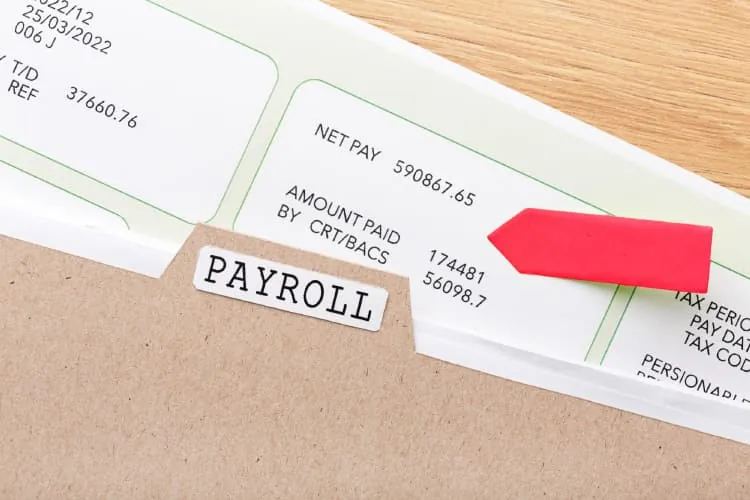
Correct understanding of Florida Payroll Taxes
Key Components of Payroll Taxes in Florida
1. Federal Payroll Taxes
Obligatory for any kind of employer in Florida is adherence to federal payroll tax requirements. Such requirements are:
- Social Security Tax – 6.2% on wages up to the federal wage base ($168,600 for 2025).
- Medicare Tax – 1.45% on all wages (and for high earners who earn above $200,000, there will be an additional 0.9% charge).
- Federal Income Tax Withholding – The major input variables are IRS tax brackets and the W-4 form (filled in) of the employee.
In Florida, where no state income tax is imposed, it is still the case that employees will have to face federal taxes in their paycheck, including the above deductions.
Businesses are required to make Social Security and Medicare contributions at the same rates (i.e., they must match the employee contributions dollar-for-dollar), so the total federal payroll liability for these employers comes to 7.65% of the taxable wages of each employee, as set by the IRS annual wage base limit ($168,600 for 2025).
2. State Payroll Taxes: Florida Reemployment Tax
The main Florida payroll tax for employers is the reemployment tax (formerly known as the state unemployment tax or SUTA). This tax funds unemployment compensation for workers who lose their jobs.
The Florida payroll tax rate for reemployment varies based on the employer’s experience and industry.
As of 2025:
- New employers: 2.7% on the first $7,000 of each employee’s wages.
- Established employers: 0.1% to 5.4% (experience-based).
- Maximum taxable wage base: $7,000.
Employers file and pay this tax to the Florida Department of Revenue, typically on a quarterly basis.
3. Other Employer Responsibilities
Even though no tax on personal income locally is levied in Florida, companies have to take care of the following:
- Workers’ compensation insurance (depending on industry and employee count)
- Employer contributions to benefit programs (retirement, healthcare, etc). These are voluntary contributions and not state-mandated payroll taxes.
- Recordkeeping and wage reporting requirements under both federal and state law
They are the assumption of the Florida payroll taxes for employers that include everything related to employee wage deductions, filing, and payments.

The main components of the Florida payroll tax
How to Calculate Payroll Taxes in Florida?
It is indispensable for every employer to know how to calculate payroll taxes in Florida if they handle payroll by themselves or with the help of accounting software.
We can see a step-by-step breakdown of this.
Step 1: Determine Gross Pay
You should first figure out an employee’s total earnings before deductions:
- Hourly employees: hours worked × hourly rate
- Salaried employees: annual salary ÷ pay periods
Step 2: Withhold Federal Income Tax
Based on the information provided in the employee’s W-4 form and the IRS withholding tables, determine the amount of federal income tax to be withheld. There is no state income tax in Florida. Thus, only the federal part of the tax applies.
Step 3: Calculate FICA Taxes (Social Security and Medicare)
- Social Security: 6.2% of gross wages (up to $168,600)
- Medicare: 1.45% of all wages (+0.9% on wages over $200,000)
Employers should also pay the same amount to the IRS as the employees.
Step 4: Apply Florida Reemployment Tax
The new employer rate (2.7%) is subject to annual review by the Florida Department of Revenue.
Example:
- Employee has an annual income of $60,000.
- Taxable portion = $7,000.
- 2.7% × $7,000 = $189 (employer pays this annually).
This is a tax paid entirely by the employer and not deducted from employees’ wages.
Step 5: Factor in Any Additional Benefits or Deductions
Also, include voluntary deductions, such as:
- 401(k) contributions
- Health insurance premiums
- Child support or garnishments (if applicable)
Step 6: Remit Payments and File Reports
On time, employers are required to remit the payroll taxes that are due at both the federal and state levels.
- Federal taxes: The payment is made through the EFTPS system of the IRS (weekly, semiweekly, or monthly).
- Florida reemployment taxes: Filed quarterly through the Florida Department of Revenue payroll tax portal.

Knowing how to calculate payroll taxes in Florida is essential for every employer
Florida Department of Revenue Payroll Taxes
The Florida Department of Revenue (DOR) oversees employer payroll tax compliance. The DOR is responsible for:
- Registering employers for reemployment tax accounts
- Collecting quarterly tax returns
- Maintaining employer experience ratings
- Providing guidance on payroll reporting and electronic filing
To stay compliant, employers must:
- Register online with the DOR before paying employees.
- File quarterly reports (Form RT-6).
- Submit payments electronically through the DOR’s secure portal.
- Maintain employment records for at least five years.
The DOR’s online system also includes tools to help employers calculate payroll taxes in Florida, verify filing deadlines, and track tax rate changes.
Federal Taxes in Florida Paycheck: What Employees See
Even though Florida does not levy state income tax, employees will still see several deductions from their paychecks. Typical federal taxes in a Florida paycheck include:
- Federal income tax (based on IRS brackets and W-4)
- Social Security tax (6.2%)
- Medicare tax (1.45%)
Optional deductions may also be listed in your pay stub, like health insurance premiums, retirement contributions, or union dues.
Clear pay stubs that detail each deduction are the responsibility of employers. This will help staff to know their take-home pay and tax obligations.

Typical federal taxes in a Florida paycheck
Filing Deadlines and Payment Schedules
Correct timing is very important if one wants to be in compliance with Florida payroll taxes and federal obligations.
Federal Payroll Taxes
- Deposits: Monthly or semiweekly (depending on total tax liability).
- Returns: IRS Form 941 (quarterly) or Form 944 (annual).
Florida Reemployment Taxes
- Reports Due: End of the month following each quarter (April 30, July 31, October 31, January 31).
- Form: RT-6 via Florida DOR e-Services portal.
Untimely filing of papers may cause money owed in interest and a penalty; therefore, you should save these dates very carefully.
Florida Payroll Taxes for Employers: Advantages of Doing Business in Florida
One of the biggest advantages of employing workers in Florida is its low overall tax burden. Compared to states like California or New York, Florida’s payroll structure offers:
- No state income tax on employee wages
- Lower employer contribution rates for unemployment insurance
- Streamlined compliance through the Florida Department of Revenue
- Business-friendly environment with competitive labor costs
These factors make Florida an appealing state for startups, small businesses, and expanding corporations.

Benefits of Doing Business in Florida Regarding Payroll Taxes
Example: Payroll Calculation for a Florida Employee
Let’s look at an example to illustrate how to calculate payroll taxes in Florida.
- Employee Salary: $4,000/month
- Federal Filing Status: Single
- Federal Income Tax: ≈ $400 (based on IRS tables)
- Social Security Tax: $4,000 × 6.2% = $248
- Medicare Tax: $4,000 × 1.45% = $58
- Florida Reemployment Tax (employer only): $7,000 × 2.7% = $189 annually
- Total Employee Deductions: $706
- Employer Contributions: $306 (Social Security + Medicare + State)
This example shows how straightforward payroll processing can be in Florida compared to higher-tax states.
OneIBC USA: Your Partner in U.S. Payroll & Business Setup
Whether you’re expanding your company to the U.S. or hiring employees in Florida for the first time, managing payroll compliance can be complex. That’s where OneIBC USA can help.
With deep expertise in U.S. company formation, registered agent services, and international tax guidance, OneIBC USA provides comprehensive solutions for:
- Setting up a Florida entity or branch
- Registering with the Florida Department of Revenue
- Managing employer payroll tax filings
- Ensuring compliance with both federal and state requirements
Visit OneIBC USA to explore how their experts can help you streamline payroll operations and expand your business across the U.S. with confidence.
Conclusion
Florida is a really great place for business owners because of its tax system. The absence of a state income tax, relatively low and predictable reemployment tax rates, and a convenient online system run by the Florida Department of Revenue, all contribute to making payroll management here less complicated than in most other states.
However, compliance remains a crucial factor. Employers in Florida must ensure the correct calculation of payroll taxes, timely submission of federal and state payments, and maintenance of accurate records.
With the help of experts like OneIBC USA, employers can be absolutely safe in the knowledge that their payroll and tax compliance will be carried out with accuracy and integrity, thus, they will be free to concentrate on the business side of growth.




Blogs
View All
Build Your Business Strongly with a Florida Single-Member LLC
Florida has long been a magnet for entrepreneurs, thanks to its thriving economy, zero personal income tax, and pro-business environment.
Dec 05, 2025, 01:19 (UTC-08:00)

Wyoming Sales Tax: Rates by County, Taxable Services, and Compliance
When it comes to doing business in the U.S., understanding state tax structures is crucial, and Wyoming stands out as one of the most tax-friendly states in the nation.
Dec 05, 2025, 01:22 (UTC-08:00)

Wyoming Holding Company: Guide to Asset Protection and Tax Efficiency
In the world of business and wealth management, holding companies are powerful vehicles for structuring ownership, protecting assets, and optimizing taxes.
Dec 05, 2025, 01:16 (UTC-08:00)