The F&B Industry in Vietnam: A Fast-Growing Market of Opportunities
Updated time: Dec 06, 2025, 08:26 (UTC+07:00)
The F&B industry in Vietnam has emerged as one of the most dynamic sectors in Southeast Asia, driven by rapid urbanization, a rising middle class, and evolving consumer preferences. As global investors and local entrepreneurs recognize Vietnam’s potential, the country’s food and beverage landscape continues to transform, blending traditional culinary roots with modern business innovation.
In this comprehensive analysis, we’ll explore the key drivers of growth, the F&B market in Vietnam, insights from the latest Vietnam F&B industry report, and opportunities for investors looking to enter this fast-expanding market.
Overview of the F&B Industry in Vietnam
Vietnam’s F&B sector has grown exponentially over the past decade, becoming a vital contributor to the national economy. With a population of nearly 100 million and strong GDP growth, consumer spending on food, beverages, and dining experiences continues to rise.
According to recent Vietnam F&B industry reports, the country’s F&B industry contributes around 10–12% of GDP and is expected to grow at an annual rate of 8–10% through 2030. The growth is supported by such factors as:
- A youthful demographic (70% under 40) with increasing disposable income.
- Rapid urbanization, driving demand for convenient and premium food options.
- A booming tourism industry that fuels hospitality and dining services.
- Strong government support for agricultural modernization and food exports.
The Vietnam F&B market size has grown steadily post-pandemic, driven by rising consumption in both urban and rural areas, with international brands and local startups competing to capture consumer attention.
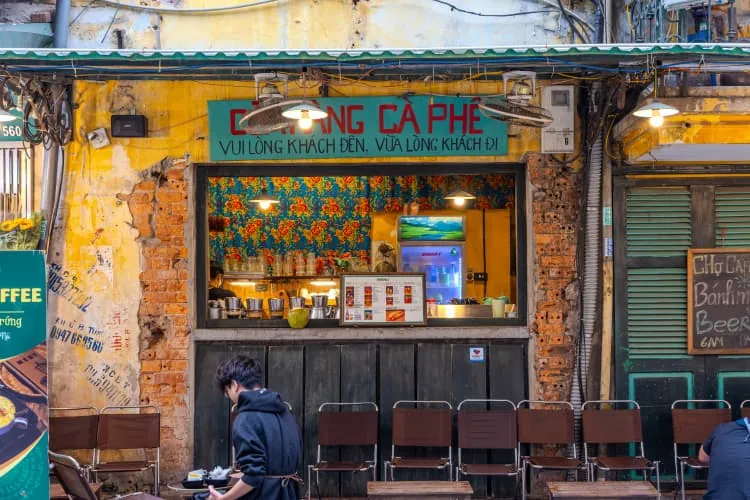
Overview of the F&B Industry and market size in Vietnam
Key Segments in Vietnam’s F&B Market
The F&B market in Vietnam is highly diversified, covering food production, beverages, retail, restaurants, cafes, and online food delivery. Below are the major segments shaping the industry landscape:
a. Packaged and Processed Food
Lifestyles that are convenience-driven have led to the increasing demand of ready-to-eat meals, snacks, and instant products. One of the trends that domestic brands like Acecook and Masan Consumer have taken advantage of is by diversifying their product lines for not only the local market but also for exports.
b. Beverage Industry
Vietnam is among the most rapidly expanding beverage markets in Asia that extends to the areas of soft drinks, coffee, tea, beer, and bottled water. According to the data, the country is currently ranked as one of the largest beer consumers per capita in the world and that is why international brewers like Heineken and Carlsberg find it attractive to set up their plants here.
c. Dining and Restaurant Businesses
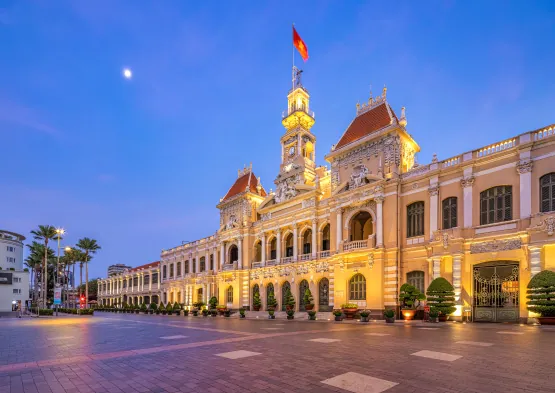
The likes of Ho Chi Minh City, Hanoi, and Da Nang which are urban areas have witnessed the proliferation of cafes, restaurants, and casual dining chains. The dining affair in Vietnam has turned into a social culture and modern lifestyle icon thanks to global franchises such as KFC and Starbucks as well as the vibrant local brands.
d. Online Food Delivery and E-Commerce
Digital revolution is a true game-changer for Vietnamese consumers in terms of dining and food shopping habits. The mentioned convenience and affordability were successfully integrated by such platforms as GrabFood, ShopeeFood and Baemin, thus making online ordering a trend of mass adoption.
Key Growth Drivers of the Vietnam F&B Industry
The F&B industry in Vietnam is powered by several robust growth engines:
Economic Stability and Rising Income
Driven by stable GDP growth (6–7% annually on average) and the rapidly expanding middle class, the Vietnamese market is becoming more and more attractive for quality food and beverage products.
Tourism and Hospitality Expansion
Before the pandemic, Vietnam welcomed over 18 million international tourists annually. The ongoing recovery in 2025 continues to boost demand for restaurants, hotels, and F&B suppliers nationwide.
Urbanization and Lifestyle Shifts
The city people choose to eat out or order food via the Internet as they are short of time. Also, premium and health-conscious food trends have started to take root.
Foreign Investment and Trade Liberalization
The government, with its attractive trade policies and free trade agreements, promotes foreign investment, which is the main reason for the surge in F&B activities such as imports, exports, and collaborations with leading F&B companies in Vietnam.
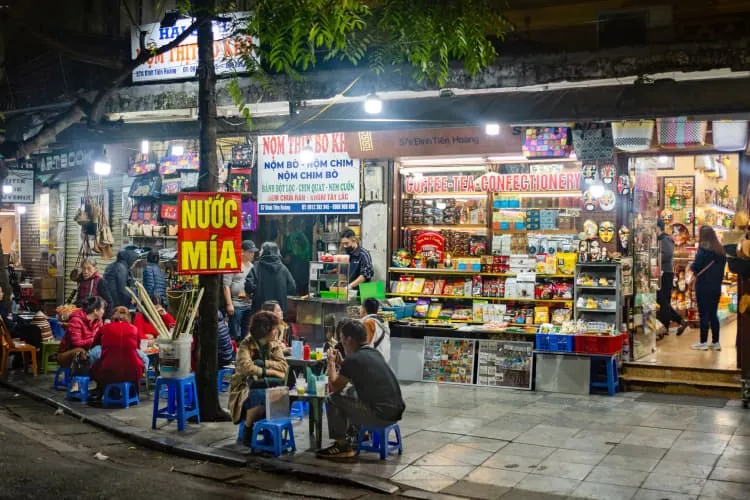
The F&B industry in Vietnam is driven by several strong growth drivers
The Vietnam F&B Market Size and Competitive Landscape
Based on the latest industry report on the Vietnam F&B industry, the market size of Vietnam’s F&B industry was approximately USD 48–50 billion in 2024 and is projected to reach about USD 80 billion by 2030. The market remains quite fragmented, with players from both inside the country and outside the country competing in different niches.
Top F&B Companies in Vietnam:
Some of the top F&B companies in Vietnam that dominate the market include:
- Masan Consumer Holdings – A major producer of instant noodles, sauces, and beverages.
- Vinamilk – Vietnam’s leading dairy company with global exports.
- Acecook Vietnam – A household name in the instant noodle segment.
- Sabeco (Saigon Beer-Alcohol-Beverage Corp.) – A market leader in the beer industry.
- Highlands Coffee and The Coffee House – Popular domestic cafe chains with nationwide presence.
These companies exemplify how local innovation and brand loyalty contribute to Vietnam’s strong domestic market.
F&B industry Opportunities for Foreign Investors
The Vietnamese Food and Beverage market has many different entry points for both investors and entrepreneurs. With an appropriate plan and knowledge of the local consumer behaviour, foreign businesses can make a lot of money in this vibrant market.
1. Food Manufacturing and Processing
One avenue for investors is a fully-equipped plant for the manufacture of processed foods, snacks, or frozen products to take advantage of both the (unprocessed) food base and the cheap labor force of Vietnam.
2. Franchising and Restaurant Chains
The triumph of the worldwide brands such as McDonald's and Pizza 4P's is evidence of the potential of the restaurant franchising model in Vietnam's urban centers.
3. Beverage and Health Drinks
The demand for healthy food and beverages such as organic fruits and vegetable juices, plant-based milk, and sugar-free drinks is continuously increasing.
4. Supply Chain and Distribution
By engaging in logistics, cold storage, and food technology solutions, foreign investors can play a pivotal role in the development of the Vietnamese F&B Infrastructure.
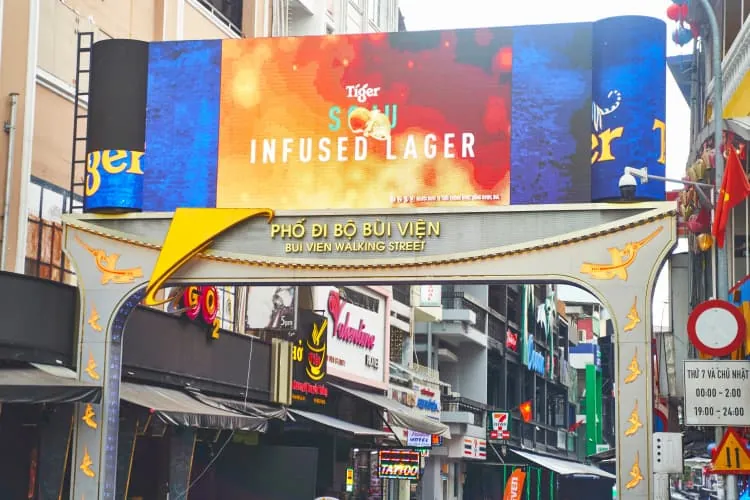
Many opportunities in the F&B industry for foreign investors
Challenges in the Vietnam F&B Industry
Considerable Profits can be made in the Vietnam F&B Market which is attractive to many investors. However, such investors/ entrepreneurs should also take into account some challenges:
- Regulatory compliance: Entities need to deal with local laws regarding food safety and standards for labelling, along with procedures for import and export.
- Intense competition: category leaders are well-known brands which have a large market share and thus, high levels of brand loyalty, making it difficult for new entrants to gain a foothold in these markets; they have to find ways (based on quality and price) to attract consumers.
- Consumer behavior: Taste and spending habits that vary from region to region influence the acceptance of a product.
- Distribution bottlenecks: While infrastructure inadequacies can lead to inefficiency in the supply chain which in turn affects the delivery of goods to the remote/rural areas.
The importance of a local partner or professional service provider cannot be overemphasized, as they contribute in dismantling these obstacles.
Insights from Vietnam F&B Industry Reports
The Vietnam F&B industry report consistently highlights three major trends shaping the sector’s future:
a. Health and Sustainability
Consumers are shifting toward organic, low-sugar, and environmentally sustainable products.
b. Digital Transformation
AI, big data, and e-commerce are revolutionizing food distribution, inventory, and marketing strategies.
c. Export Growth
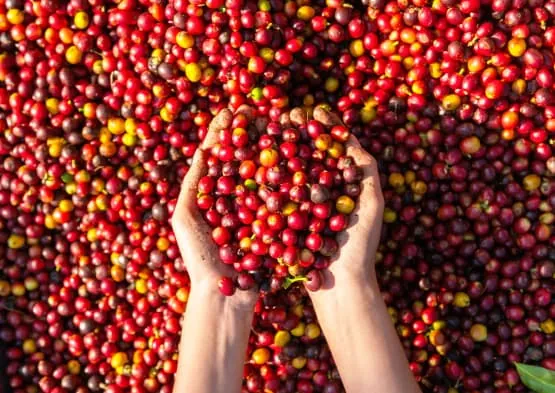
Vietnam’s F&B exports, particularly coffee, seafood, and processed foods, continue to expand, supported by free trade agreements with the EU, Japan, and ASEAN partners.
Future Outlook: What’s Next for Vietnam’s F&B Industry?
By 2030, the Vietnam F&B sector is slated to keep on changing fast. A rising demand for a wide array of foods, the invention of new types of packages, plus the production of refuse-free food will be the factors that ensure that this sector is well on its way to attracting global attention.
Experts predict that the market will continue to expand at a strong annual rate of around 8–10%, and consumer spending will increase on dining, packaged foods, and beverages. The government's effort in the direction of the digital transformation and practice of sustainability will definitely put the industry in a good position for future growth.
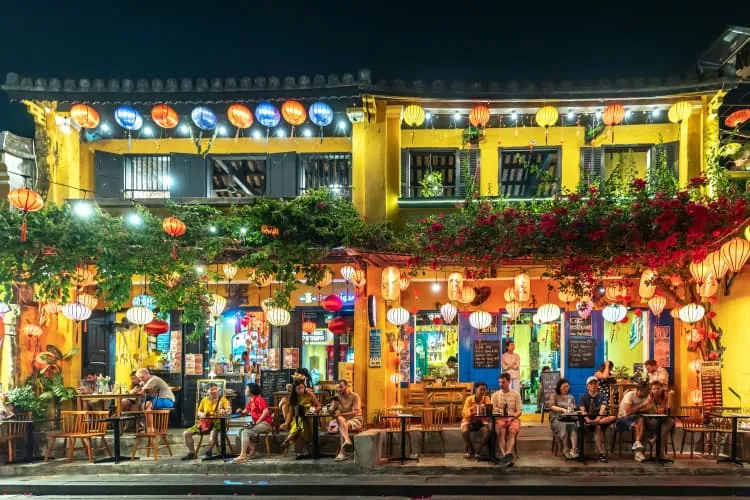
Future prospects of the F&B industry in Vietnam
How to Start an F&B Business in Vietnam?
If you’re planning to enter the market, here are the key steps for opening an F&B business in Vietnam:
- Market Research – Study local consumer preferences and competition.
- Business Structure – Choose between a limited liability company (LLC), joint venture, or representative office.
- Licensing and Permits – Obtain food safety, hygiene, and business operation licenses.
- Location Selection – Opt for high-traffic urban areas or delivery-focused models.
- Partnerships – Work with local distributors and suppliers for smoother market entry.
Professional consultancy services, like OneIBC VietNam, can help streamline your company formation, licensing, and compliance requirements, saving time and reducing risk.
Conclusion
The F&B industry in Vietnam is a dynamic and vibrant community of innovative, diverse, and growing businesses. The sector is a good fit for both local and foreign players thanks to factors such as rising middle class, conducive investment climate, and increasing demand for F&B products in Vietnam.
As Vietnam’s top F&B companies, local startups, and global franchises are using smart technology and eco-friendly business models to stay competitive and relevant, the country offers a fertile ground for entrepreneurs and investors looking to benefit from this trend. Therefore, Vietnam is among Asia’s most attractive destinations for such players.
To establish your business smoothly and legally, consider working with experienced providers like OneIBC VietNam, who specialize in company formation, licensing, and FDI advisory for international investors entering Vietnam’s thriving industries.

Articles
View All
Business Tax in Vietnam: Compliance, Corporate Rates, and Investment Incentives
Dec 06, 2025, 08:24 (UTC+07:00)
Small Business in Vietnam: Opportunities, Ideas, and Strategies for 2026
Dec 06, 2025, 08:17 (UTC+07:00)
Establishing a Limited Liability Company in Vietnam
The establishment of a limited liability company in Vietnam can essentially provide investors with a gateway to invest in one of the Southeast Asian economies that is growing in a remarkably quick fashion.
Nov 21, 2025, 14:53 (UTC+07:00)