Small Business in Vietnam: Opportunities, Ideas, and Strategies for 2026
Updated time: Dec 06, 2025, 08:17 (UTC+07:00)
Vietnam has become one of Southeast Asia’s most exciting markets for entrepreneurs and investors. With a fast-growing economy, young workforce, and business-friendly environment, starting a small business in Vietnam has never been more promising. Whether you’re a local entrepreneur or a foreign investor exploring new markets, Vietnam offers fertile ground for innovation, growth, and profitability.
In this comprehensive guide, we’ll explore why Vietnam is an excellent destination for small businesses, the best small business ideas in Vietnam, insights into successful small business in Vietnam models, how to go about opening a small business in Vietnam, and what to expect when managing small business tax in Vietnam.
Why Vietnam Is a Hotspot for Small Businesses?
The economic change of Vietnam over the last 20 years has been amazing. After a period of being a country dependent on agriculture, it has become a very attractive industrial and service hub in Asia. The country’s GDP growth rate which goes on average between 6-7% annually, tells a lot about the country’s liveliness and its appeal to investors.
Key Advantages for Entrepreneurs:
- Strategic Location: Vietnam provides strategic access to major regional markets such as China, Thailand, and Singapore via robust trade networks.
- Low Startup Costs: Compared to other Asian economies, Vietnam offers affordable labor, office space, and operational costs.
- Government Support: The Vietnamese government is very supportive of entrepreneurship through providing various incentives, tax benefits, and the provision of services to SMEs (small and medium enterprises).
- Digital Transformation: The country’s quick internet coverage and e-commerce acceptance are the factors that have led to the popularity of online-based and tech-based small businesses.
Vietnam is an excellent option for entrepreneurs who want to create businesses with scalability. The country offers a perfect mix of low-cost efficiency, growth potential, and policy support.

Key Advantages for Entrepreneurs in Vietnam
Promising Small Business Ideas in Vietnam
Choosing the right business model is crucial. The market in Vietnam is diverse, from agriculture and manufacturing to tech, tourism, and retail. Here are some of the most promising small business ideas in Vietnam for 2026 and beyond:
a. E-commerce and Online Retail
With one of the fastest-growing online consumer bases in Southeast Asia, launching an e-commerce platform or online store can be highly profitable. Local marketplaces like Tiki, Shopee, and Lazada dominate, but niche e-commerce brands focusing on eco-friendly or handmade products are gaining traction.
b. Food and Beverage (F&B) Ventures
Nothing could delight the Vietnamese more than food. Hence, opening a café, local restaurant, or bubble tea shop would be the right investment to make. Local foods and the fusion concept of dining are equally appealing to both the locals and the tourists. The most common successful small business in Vietnam F&B scene usually pays more attention to the creativity aspect, customer experience, and social media marketing.
c. Tourism and Hospitality
The world comes to Vietnam because of the country’s scenic nature and unique culture. Small business ideas in Vietnam, like boutique hotels, travel agencies, tour guide services, and eco-tourism initiatives which attract both domestic and international travelers have a great potential for success and growth.
d. Technology Startups
Consequently, as the country is turning into a digital hub, there will be a demand for more IT services, fintech apps, and software solutions. Tech ventures that are small businesses in Vietnam stand a chance of rapid growth to a large extent when they take advantage of the youth who are very tech-savvy and the low-cost operations in Vietnam.
e. Agriculture and Food Processing
Farming is still the country’s main concern in the rural areas. Some of the best small business ideas in Vietnam would be Organic farming, coffee production, and agricultural exports, particularly when they are merged with sustainability and conform to international standards of quality.
f. Education and Language Centers
The middle class of Vietnam, which is growing, is very choosy when it comes to their children's education. English language training centers, online tutoring platforms for students, and professional skills academies are examples of booming small businesses in Vietnam.
Traits of Successful Small Business in Vietnam
Running a successful small business in Vietnam goes beyond a good idea; it requires understanding the local culture, regulations, and market behavior.
What Sets Successful Ventures Apart:
- Understanding the local market: Successful entrepreneurs study Vietnamese consumers in detail, their lifestyle, needs, and the ways they are sensitive to prices.
- Adhering to the Culture: Businesses which respect the local traditions and adjust their products or services to the Vietnamese customers' preferences receive more acceptance.
- Being Strong on the Internet: Using digital marketing, especially on Facebook, TikTok, and Zalo, is very important both for the business to be seen and to attract customers.
- Quality and Trust: Vietnamese consumers are very concerned about the quality and reliability of the products they buy, so by maintaining the quality and being transparent, companies can obtain loyal customers for a long time.
- Networking and Partnerships: Having good relationships with local suppliers, distributors, and government agencies will lead you to success faster.
Regardless of whether they are tech startups or local coffee chains, the first core principles, market adaptability, cultural awareness, and digital fluency, are shared by all successful small businesses in Vietnam.

Running a successful small business in Vietnam is more than just a good idea
Opening a Small Business in Vietnam: A Step-by-Step Overview
If you’re considering opening a small business in Vietnam, understanding the legal and administrative process is essential.
Step 1: Choose Your Business Structure
Foreign and local entrepreneurs typically choose between:
- Limited Liability Company (LLC) – suitable for small and medium-sized ventures
- Joint-Stock Company (JSC) – ideal for larger businesses with multiple investors
- Representative Office – for exploring the market before full entry
Step 2: Register Your Company
You must register your business with the Department of Planning and Investment (DPI). The process usually takes around 7–10 working days if documents are in order.
Step 3: Obtain a Business License
Depending on your industry, certain sectors (like education, finance, or healthcare) require additional permits or licenses.
Step 4: Open a Business Bank Account
A local bank account is required for operations and small business tax purposes in Vietnam.
Step 5: Hire Staff and Comply with Labor Laws
Vietnam’s labor laws require employment contracts, insurance contributions, and fair compensation.
Step 6: Tax Registration
Register your business with the General Department of Taxation to stay compliant with national and regional tax obligations.
Opening a business in Vietnam is straightforward when guided by professionals familiar with local laws and documentation.
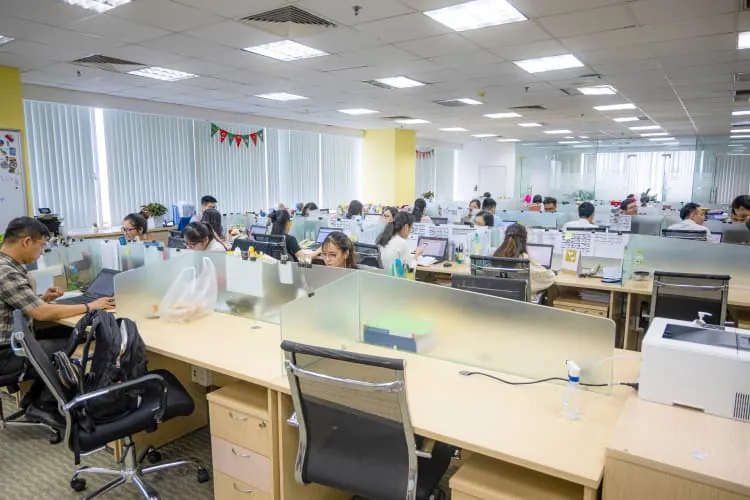
Considering opening a small business in Vietnam
Understanding Small Business Tax in Vietnam
Taxes are an indispensable part of business operations in any country. Entrepreneurs who understand small business tax in Vietnam will not only comply with the law but also plan their finances efficiently.
What Are The Main Taxes For Small Businesses:
- Corporate Income Tax (CIT) – The standard rate is 20%. A few sectors or investment zones may have lower rates or be exempted.
- Value Added Tax (VAT) – The standard rate is 10%. A few goods and services may be taxed at 5% or 0%.
- Personal Income Tax (PIT) – Employers are responsible for withholding PIT from employees according to the income brackets.
- Social Insurance Contributions – Employers contribute about 21.5% of employees’ salaries for social, health, and unemployment insurance.
- Foreign Contractor Tax (if applicable) – For companies that have foreign service providers.
Vietnam has a transparent tax system that is aimed at attracting foreign investors. Nevertheless, small businesses must submit returns regularly and keep proper accounting records. Engaging with experts who understand small business tax in Vietnam can be a great time saver and a way to avoid compliance risks.
Challenges and Tips for Small Business Owners
Despite the attractiveness of Vietnam as a market, entrepreneurs should consider the challenges that are commonly faced when operating a small business in Vietnam:
Common Challenges:
- Language barriers and cultural nuances
- Complicated bureaucracy in certain industries
- High competition in urban areas like Ho Chi Minh City and Hanoi
- Consumer trends that are changing very fast
Success Tips:
- Partner with a local person or hire a local consultant who knows the market.
- Leverage digital marketing and social media to create brand awareness.
- Remain compliant with tax and labor laws to stay away from penalties.
- Put your efforts into quality and customer loyalty.
Such difficulties, when addressed with planned acts of foresight and knowledge of the locality, can become growth opportunities.

Challenges and Tips for Small Business in Vietnam
The Future of Small Business in Vietnam
The small business market in Vietnam is changing quickly. The digital transformation, eco-friendly measures, and integration into regional trade (via agreements like RCEP) are very much the new way of doing business for entrepreneurs.
By 2030, Vietnam will possibly be among the top Asian countries with vibrant SME ecosystems. The entrepreneurs to be leading this change are those who will have adopted innovation, sustainability, and digital tools.
Partnering with Experts for Success
Investors or first-time entrepreneurs may find that the processes of incorporation, legal compliance, and taxation are quite complicated to manage on their own. Consequently, the majority of them take advice from professional incorporation firms.
OneIBC Vietnam, a leader in company formation and corporate services, assists entrepreneurs in opening a small business in Vietnam seamlessly. From legal documentation and licensing to small business tax in Vietnam compliance and bank account setup, OneIBC ensures your business starts on the right foundation, fast, compliant, and efficient.
Whether you’re exploring small business ideas in Vietnam or expanding an existing venture, having expert support can turn opportunities into lasting success.
Conclusion
Vietnam’s rapid growth, youthful energy, and open-market policies make it one of Asia’s most promising destinations for entrepreneurs. From tech startups to eco-friendly ventures, the opportunities for small business in Vietnam are vast and diverse.
With careful planning, market research, and compliance with small business tax in Vietnam, entrepreneurs can build sustainable, profitable ventures.
If you’re ready to take the next step in opening a small business in Vietnam, partner with trusted professionals like OneIBC Vietnam, your gateway to successful incorporation, compliance, and growth in one of Asia’s most dynamic markets.



Articles
View All
The F&B Industry in Vietnam: A Fast-Growing Market of Opportunities
Dec 06, 2025, 08:26 (UTC+07:00)

Business Tax in Vietnam: Compliance, Corporate Rates, and Investment Incentives
Dec 06, 2025, 08:24 (UTC+07:00)

Establishing a Limited Liability Company in Vietnam
The establishment of a limited liability company in Vietnam can essentially provide investors with a gateway to invest in one of the Southeast Asian economies that is growing in a remarkably quick fashion.
Nov 21, 2025, 14:53 (UTC+07:00)