Tax System in Vietnam for Foreign and Local Businesses
Updated time: Dec 18, 2025, 16:53 (UTC+07:00)
Vietnam is one of the most attractive investment destinations in Asia today. However, along with the investment opportunities in Vietnam comes the taxation system in thecountry. So whether one wants to make new investments in the Vietnamese market for the very first time in the future or expand their current business setup in the country’s market.
This article describes the basics of the taxation system in Vietnam, explains the structure of taxes in Vietnam, and analyzes the common types of taxes in Vietnam that are usually encountered by businesses. Additionally, the significance of One IBC in assisting businesses in their smooth running through its Accounting Services in Vietnam is also highlighted.
Overview of the Tax System in Vietnam
The tax system in Vietnam is composed of both direct and indirect taxes. These are managed by the General Department of Taxation in the Ministry of Finance. This system has been undergoing constant improvements in order to keep abreast of the fast-paced economy of the country. Tax laws in the jurisdiction of Vietnam affect all domestic businesses as well as foreign ownership. Businesses are subject to different taxes in their operations.

Gain clarity on how the tax system in Vietnam operates
Together with the continuation in the improvement of the taxation system in Vietnam, businesses must keep abreast of updated regulations on taxation in the utilization of technology for tax payments, in addition to regular updates on tax incentives.
Actually, the tax system in the Vietnamese government also allows for the implementation of electronic billing, procedures for simplified tax payments, in addition to industry guidelines. Foreign businesses must understand the taxation system in the Vietnamese market in terms of the impact of the Vietnamese tax system on the Vietnamese government.
Role of the Taxation System in the Economy of Vietnam
In the Vietnamese economy, the taxation system is one of the most important elements in the regulation of the financial activities within the economy, while also ensuring that the Vietnamese government earns its revenues. Among the notable aspects of the taxation system in the Vietnamese economy are the normalized corporation tax provisions in the Vietnamese taxation system.
Understand the key areas of the Vietnam taxation system
Foreign firms considering an entry into the Vietnamese market must also keep in mind the importance of compliance. Failure to report taxation in the correct fashion could incur penalties. Businesses operating in the Vietnamese market must keep abreast of the developments in the taxation system. Keeping abreast of the developments in the taxation system in the Vietnamese market will help firms to minimize risks. Foreign firms operating in the international market must also keep abreast of the developments in the taxation system in the Vietnamese market.
To ensure the smooth running of their operations in the Vietnamese taxation system, enterprises must establish effective compliance procedures from the very start.
Breaking Down the Tax Structure in Vietnam
Taxation in Vietnam also consists of a structure that can apply to most firms.
Explore the components of the tax structure in Vietnam
- Corporate Income Tax (CIT) - Standard rate: 20%. Preferential rates: Sectors like high tech, education, healthcare, and firms in economic zones.
- Value-Added Tax (VAT) - VAT is normally charged at a rate of 10%, but some essential goods/services are charged at 5%, while some are fully exempt.
- Personal Income Tax (PIT) - PIT is charged on both Vietnamese national staffers and foreign workers on a progressive scale that goes up to 35%.
- Import and Export duties - Customs duties depend on the nature of the goods imported/exported. Each country also imposes different tariffs.
- Special Consumption Tax - This is charged on specific goods like tobacco, liquor, and cars.
- Environment Tax, Natural Resource Tax, etc. - These taxes target sectors that affect the environment/natural resources.
Awareness of the taxation system in Vietnam allows business entities to organize their operations in the most effective manner.
Key Types of Tax in Vietnam Every Business Should Know
There are various types of taxes in Vietnam. Among others that companies must comply with are:
- Corporate Income Tax (CIT) - Tax levied on the assessable profits that are made from any business activities in Vietnam.
- Value-Added Tax (VAT) - Indirect tax levied on goods and services at different stages of production and distribution.
- Personal Income Tax (PIT) - Tax charged on income received by Vietnamese nationals and foreign workers in Vietnam.
- Foreign Contractor Tax (FCT) - A composite tax of (CIT + VAT) charged on foreign contractors delivering services or products within Vietnam.
- Import/Export Duties - Taxation on imported or exported goods as per the import or export tariffs.
- Special Consumption Tax (SCT) - Tax on specific commodities and services such as alcohol, tobacco products, and automobiles.
- Environmental Tax - Tax levied on products that harm the environment. Examples of such products are fuel or certain chemicals.
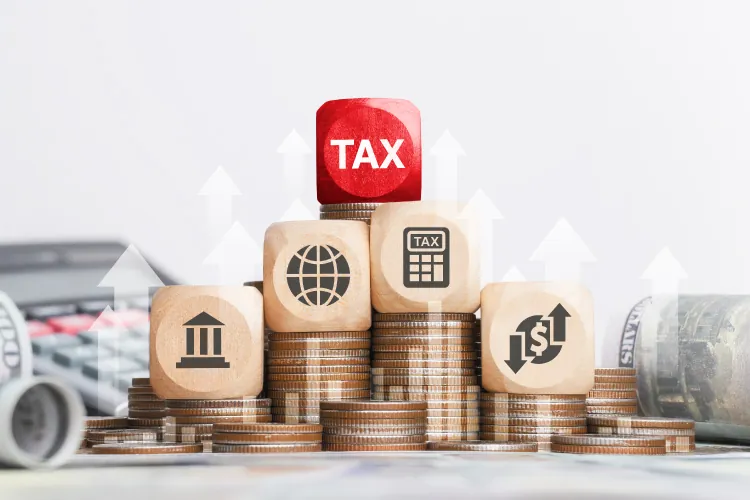
Review the essential types of tax in Vietnam
For international contractors or foreign service companies, the Foreign Contractor Tax becomes an important consideration that must be carefully calculated in order to stay clear of any compliance trouble. Since the different types of taxes applicable in each business setup in Vietnam depend on business operations and sources of income, it is important for the business to correctly assess its taxes from the very start.
By being aware of all the different types of taxes in Vietnam and their interaction in the system, businesses are able to improve their compliance levels.
Vietnam’s Tax Environment Supports Business Growth
While the tax system in Vietnam includes multiple layers of compliance, the government has improved tax administration significantly, offering:

Vietnam’s tax landscape supports investment and growth.
- Online tax declaration systems
- Digital invoicing (e-invoice) regulations
- Preferential tax incentives for priority industries
- Transparent guidelines for foreign investment
- Strong double taxation agreements with over 80 countries
These improvements make tax procedures clearer and more efficient for both local and international companies.
How One IBC Supports Tax Compliance for Businesses
One IBC offers comprehensive Accounting Services in Vietnam designed to help businesses stay compliant with the tax system in Vietnam. Its team supports companies with:
- Monthly bookkeeping and financial reporting
- VAT, CIT, PIT calculations and submissions
- Compliance with e-invoice regulations
- Annual financial statements
- Tax audit preparation
- Advisory on tax incentives and business tax planning
With years of experience and local expertise, One IBC helps both new and established companies manage tax obligations with confidence and clarity.
Conclusion
Additionally, the rising Vietnamese economy presents many opportunities. But for success in this new landscape, one must first understand the taxation system in the Vietnamese economy.
Accounting in Vietnam through experienced Accounting Services from One IBC ensures that the process of business taxation in Vietnam runs seamlessly while also allowing for the maintenance of a sturdy business financial structure.



Articles
View All
A Practical Guide to Setting Up a Company in Vietnam for New Investors
A new rising star in the list of fastest-developing investment sites in Asia today is the Vietnam investment location. Owing to its high growth rates, low labor costs, and growing consumer market, doing business in the region can be of immense value to entrepreneurs from across the global landscape.
Dec 18, 2025, 14:50 (UTC+07:00)

Business Tax in Vietnam: Compliance, Corporate Rates, and Investment Incentives
Dec 16, 2025, 08:49 (UTC+07:00)

Small Business in Vietnam: Opportunities, Ideas, and Strategies for 2026
Dec 16, 2025, 08:43 (UTC+07:00)